My Top Books of 2025
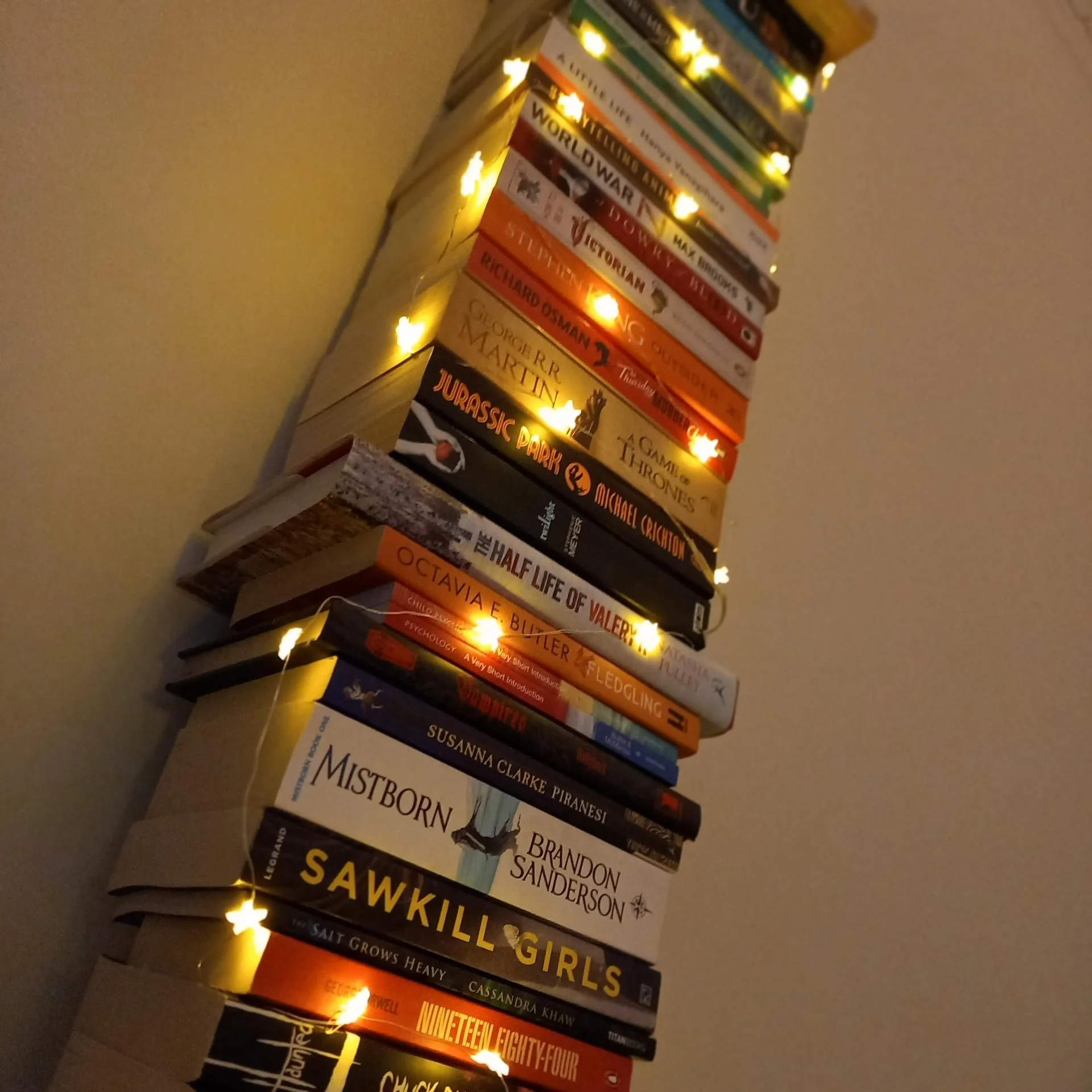
My 2025 Reading Tower - a few books, borrowed from friends, are missing
If you have entered this post after reading my ‘2025’s Final Words’ post, you might have been expecting this. To any newcomers, let me catch you up: 2025 has been the year of reading and writing. I have ADHD and dyslexia—my brain is somewhat wired to oppose reading and writing—and this year, I wanted to train myself to fall in love with reading, and to unglue myself from video games and doom scrolling. My goal, a small 20 books to read in 12 months, has been beaten—almost doubled—and with my improvement on reading, I want to gush about the joy this year rewarded me. I could go into closer detail, doing separate posts for specific genres and complimenting specific styles of writing or technique (I mean, if there’s an audience…) but to wrap up 2025 and the fruitful year of reading, I want to praise five of my most enjoyable reads. Feel free to take this as a recommendation list, but I warn you: I love horror and I love tiny, weak characters experiencing the wrath of the world. Also, this list is spoiler free.
Before we start, let me make a confession: I am a mean reader. I SAID IT. I have been in enough workshops now to have learnt the valuable lesson of how to pick apart and criticise writing. By no means am I a professional editor or critic, but having been on the receiving end of both scathing reviews and bland responses of “yeah it’s okay”, I have tuned my eyes far on the “completely tear apart each sentence” mode for each and every book I read. Not only to improve myself as a writer, but to understand why these books were written in such a way, and what I can do to improve from their example. I am not here to put authors down—these books got published, while my first book hasn’t reached the end of its initial draft. I am not in the position to talk down on their hard work. Countless books I have heard nothing but praise for end up being infuriating to read. Yet, I don’t want to spread negativity. I love books, and that’s what I shall do.
Honourable Mentions
Let’s start with the honourable mentions. These are books you are no doubt familiar with or have heard of, and don’t need me adding the millionth promotion to its already existing standing applause. Though they may be nestled between the five ranked books that follow after them, I will take them aside from the spotlight to let “smaller” books get their share of Vitamin D.
Twilight, Stephenie Meyers
A Game of Thrones, George R.R. Martin
Frankenstein, Mary Shelley
Rebecca, Daphne du Maurier
The Lottery and Other Stories, Shirley Jackson
Sense and Sensibility, Jane Austen
I Am Legend, Richard Matheson
These are popular, and for good reason. Let me say—I was surprised to have enjoyed Twilight as much as I did, but wow, what a fun read! To my friends who I teased for liking the popular “soppy teenage romance”: YOU WERE SO RIGHT.
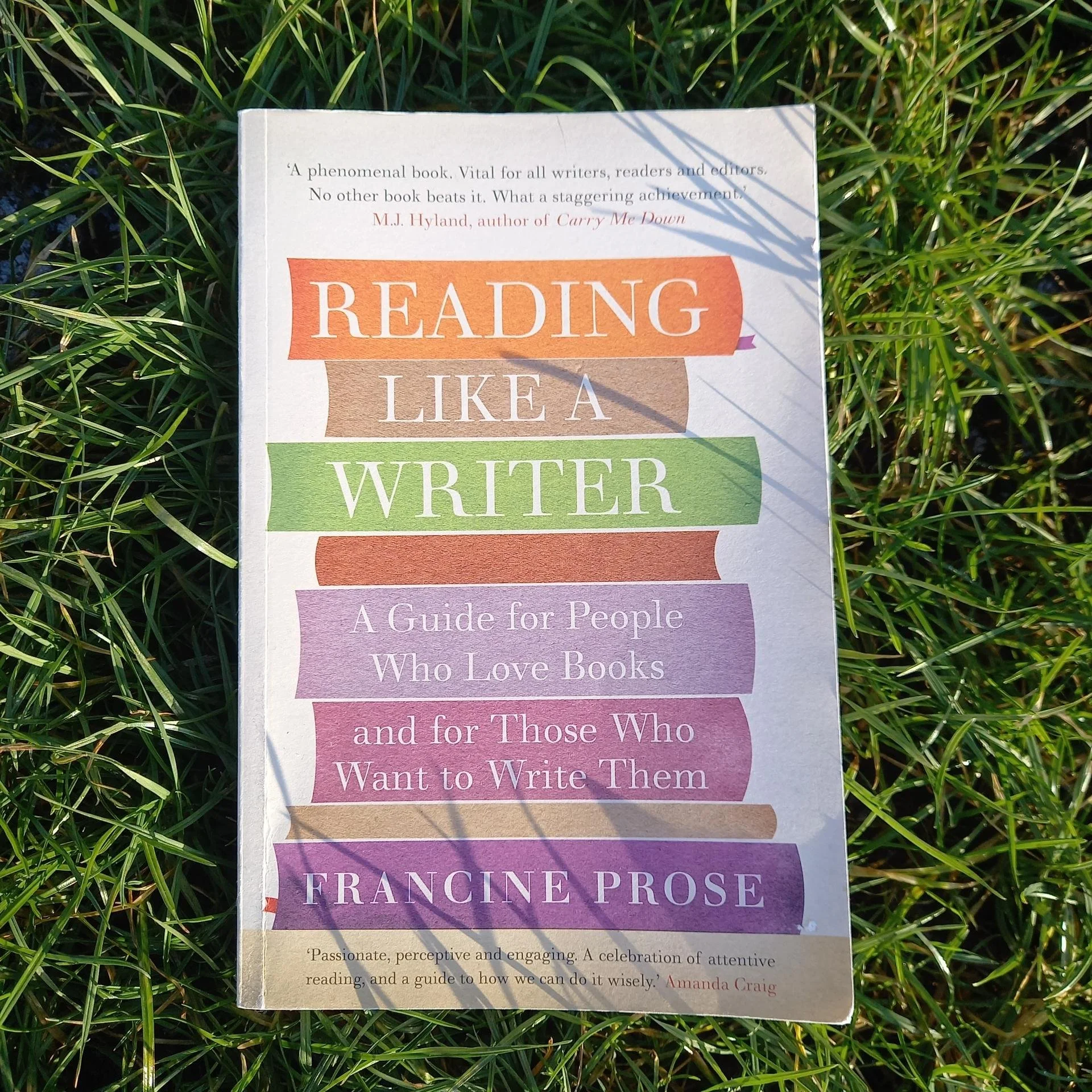
Cover of “Reading Like a Writer”, by Francine Prose (Image: Natalie Duckworth)
5. Reading Like a Writer, Francine Prose
Reading Like a Writer was recommended years ago from multiple different lecturers, and I can see why. It breaks down each element of writing and focuses on how manipulating these aspects can spin the tones of stories in vastly different trajectories. For writers at the start of their journey, this book is a valuable tool to learn what the rules are and how to break them successfully. Francine Prose teaches how to slow down when reading and examine, word for word, a series of successful stories to understand what they did to set their work apart. It is almost poetic, in a way, how she picks apart these stories to see how the deepest parts of the characters or of the world are stitched in to each word, how a simple adjective adds weight to a matter-of-fact paragraph, or dialogue written without trying to sound authentic can make conversations stronger.
‘Again, it’s a matter of the word by word—this time, of adjectives and adverbs. Though we remain in the third person, the simply fearful and maddening are the sister’s words. We can hardly miss the rage and despair being generated by that “just an inch more bread,” that “absent-mindedly—of course it wasn’t absent-mindedly.” And we can see with absolute clarity the look of horror, concentration, and suppressed disgust on Josephine’s face as she “fastens her small bead-like eyes” on the “minute strange insect” she imagines crawling through the web of the tablecloth.’
Personally, I found the first few chapters the most impactful. The amount of times I wanted to run to my computer and test out dozens of ideas was incredible, and the fact I stayed sat, eager to read her next observation, is only evident of the insight the first half of Reading Like a Writer provides. However, I did find the latter half to slow down. Maybe I was tired, or already well versed with the techniques and ideas raised about character, narrative and dialogue, but my inspiration wavered towards the end. Again, I am not here to criticise—for newer writers, the later section might be as eye opening as its former points were for me—but I did feel a twang of disappointment as the flame of inspiration died down the further I progressed. Still, the motivation I gained was second to none—I did not receive mere flickers of inspiration, I found myself touching a glass wall I was formally blind of. Breaking through it, I crossed to a side which will elevate my writing word by word, sentence by sentence, paragraph by paragraph. I have ideas on how to describe the world not for accuracy, but so readers can see through my characters’ eyes. I only regret not reading this earlier. Reading Like a Writer is a book I would not skip, no matter the level of writing experience, and is a book I will come back to throughout the stages of my writing.
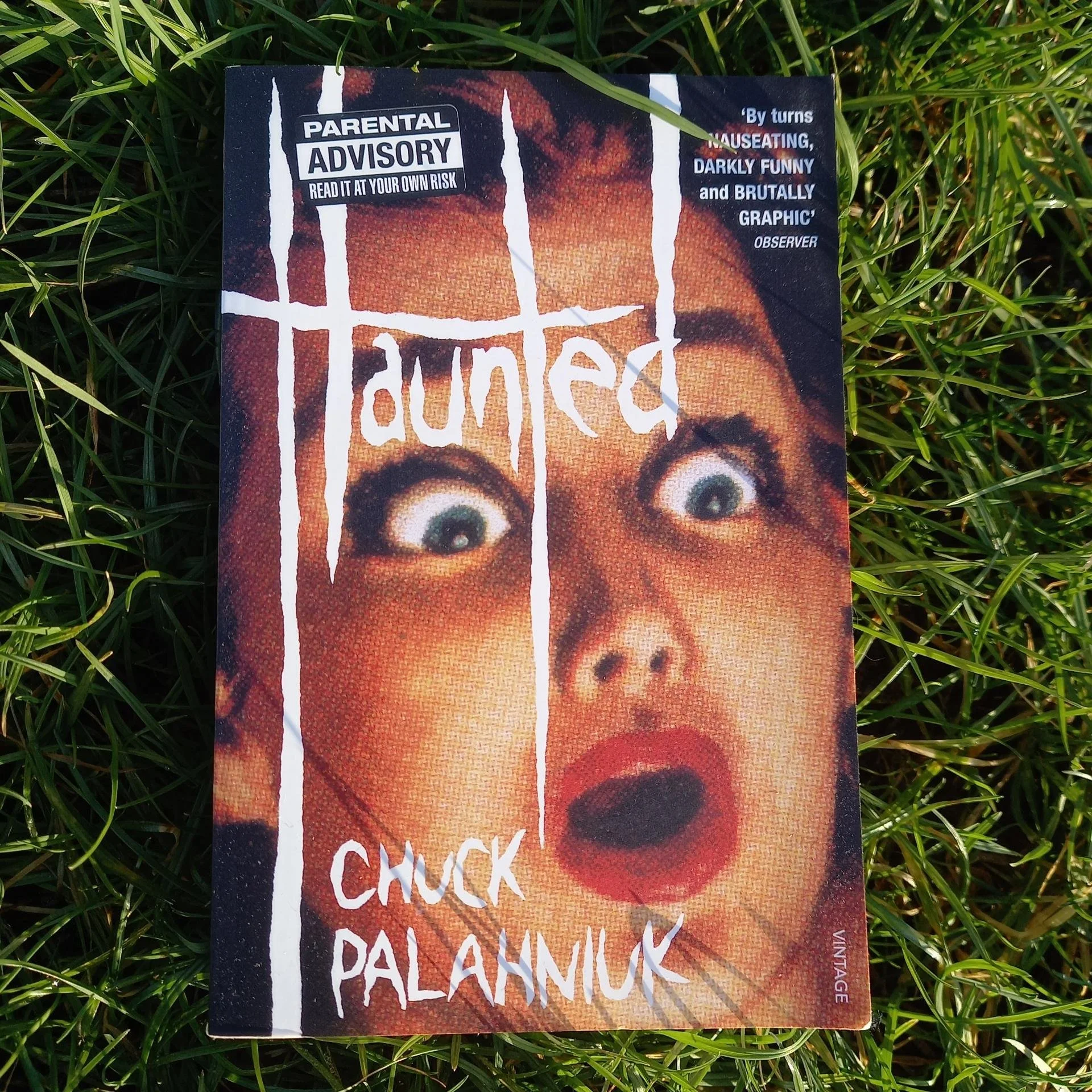
Cover of “Haunted” , by Chuck Palahniuk (Image: Natalie Duckworth)
4. Haunted, by Chuck Palahniuk
One of my earliest reads of 2025 was Chuck Palahniuk’s Haunted, and it “haunts” me still. I am not a large fan of sexual or body horror, but some of the scenes shown in this novel were so precisely written, I can still see them, still feel them, still squirm from them even a year later. Following the writing retreat of a group of aspiring authors, Haunted provides the spiral into collective madness these writers experience and the stories they share. The overarching story was interesting, one of psychological horror, but it is the isolated stories revealing the characters’ potential pasts that stuck with me the most. I haven’t read a horror story that made me literally reel away from the page and gape at the wall opposite me until now. Palahniuk managed to find unique horrors, ones completely unimaginable before, and introduces them so vividly and so accurately that when I glanced back at the page, I didn’t see words, I found myself staring at a frozen picture of the scene I had just ripped myself away from. But it wasn’t horror beyond the possible—all these horror stories were set in real life. They were of situations which aren’t safely locked behind the door of fantasy. Harrowing events, written well and with such accuracy I could feel it happen to me alongside the characters, made me fall into said characters’ place and experience it myself. It somewhat parallels Lovecraft’s “fear of the unknown”. Palahniuk reveals a situation and made me realise how I overlooked this unique, but possible, horror, and just like glimpsing the first Eldritch anomaly, I found myself aware of the large expanse of horrors within arms reach that I can’t image. Story after story, Haunted revealed to me new circumstances to worry about, another light awakening in a sea of black, showing just how far the ocean of horror spans.
‘At home, Mrs. Clark sorted through the papers in her daughter’s room, inside her desk drawers. The letters written on pink stationery. The old birthday cards. And, written in pencil, copied in Cassandra’s handwriting on a sheet of lined notebook paper, the ragged perforations running up one side, a note said:
Writers’ retreat: Abandon your life for three months…
And she flushed her daughter’s goldfish down the toilet, still alive. Then Mrs. Clark pulled on her winter coat.
That night, in the deputy’s headphones, a woman’s voice said, “Is this where you went? This writers’ retreat, is this where they tortured you?”’
Another aspect I loved was how Palahniuk uses Haunted to reach into the readers heart and twist it like a radio dial. There are no heroes in this story, yet to write horror so chillingly awful that I am rooting for the survival of these unlikable characters is a manipulation of the reader I never thought possible. My thoughts on characters swooned and plummeted like a heart race monitor, and with the vague credibility of all of the characters’ stories, I was left unsure who I should be rooting for and who I should be calling the police on.
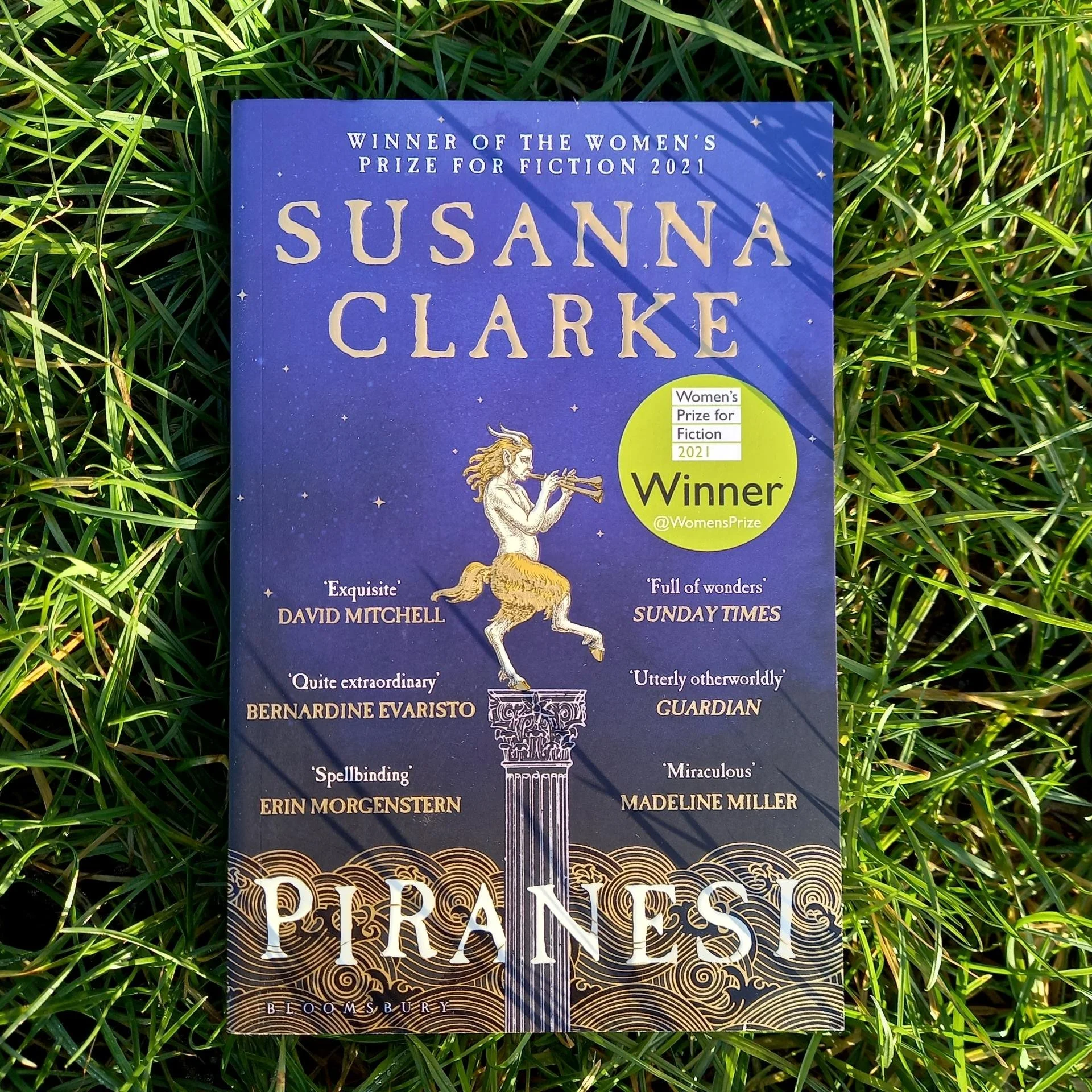
Cover for “Piranesi”, by Susanna Clarke (Image: Natalie Duckworth)
3. Piranesi, Susanna Clarke
In a house which is a world with its own rules and natures, describing Piranesi without spoilers is a challenge when wanting to sing its praise. This book is an outlier to what I would normally love, but the main character, Piranesi, has enchanted me, and is one of the most notable characters I’ve met in this year of reading. Everything about this book is whimsical and strange, and dropping into the house, readers are exploring the mysterious layout of the rooms, as well as Piranesi’s unique mind. I have a habit of falling in love with small and sweet characters, and Piranesi is inarguably one of the most charming characters I have read. To me, it felt like befriending a fae animal and watching it skip through its home, oblivious to the dangers readers may see looming behind the whimsical blur. As someone who reads a lot of horror, I found the break of a “softer” landscape companioned by a passionate, good-hearted character simultaneously acted as a breath of fresh air, but also provided spiked mountains of tensions the moment any threat came Piranesi’s way, which in the horror landscape would take great groundwork to achieve.
‘I realised that I was holding on to something. I opened my hand and found a marble Finger from some Faraway Statue that the Tides had placed there.
The Beauty of the House is immeasurable; its Kindness infinite.’
From the viewpoint a writer, this story teaches how to form unique and loveable characters and how their strange view on the world only adds a new layer of mystery to a very unfamiliar world. Voice and narrative is forefront in the writing, where readers can soak in Piranesi’s good nature through his soft thoughts and words, and appreciate how he cares for everything in a world which he is evidently not supposed to be in. I wish I could ramble further, but for anyone interested in reading Piranesi and wants to fall in love with a wholesome character, I won’t say anything more. Trust Susanna Clarke to provide a moving story about a man of wonder in a house he loves more than anything.
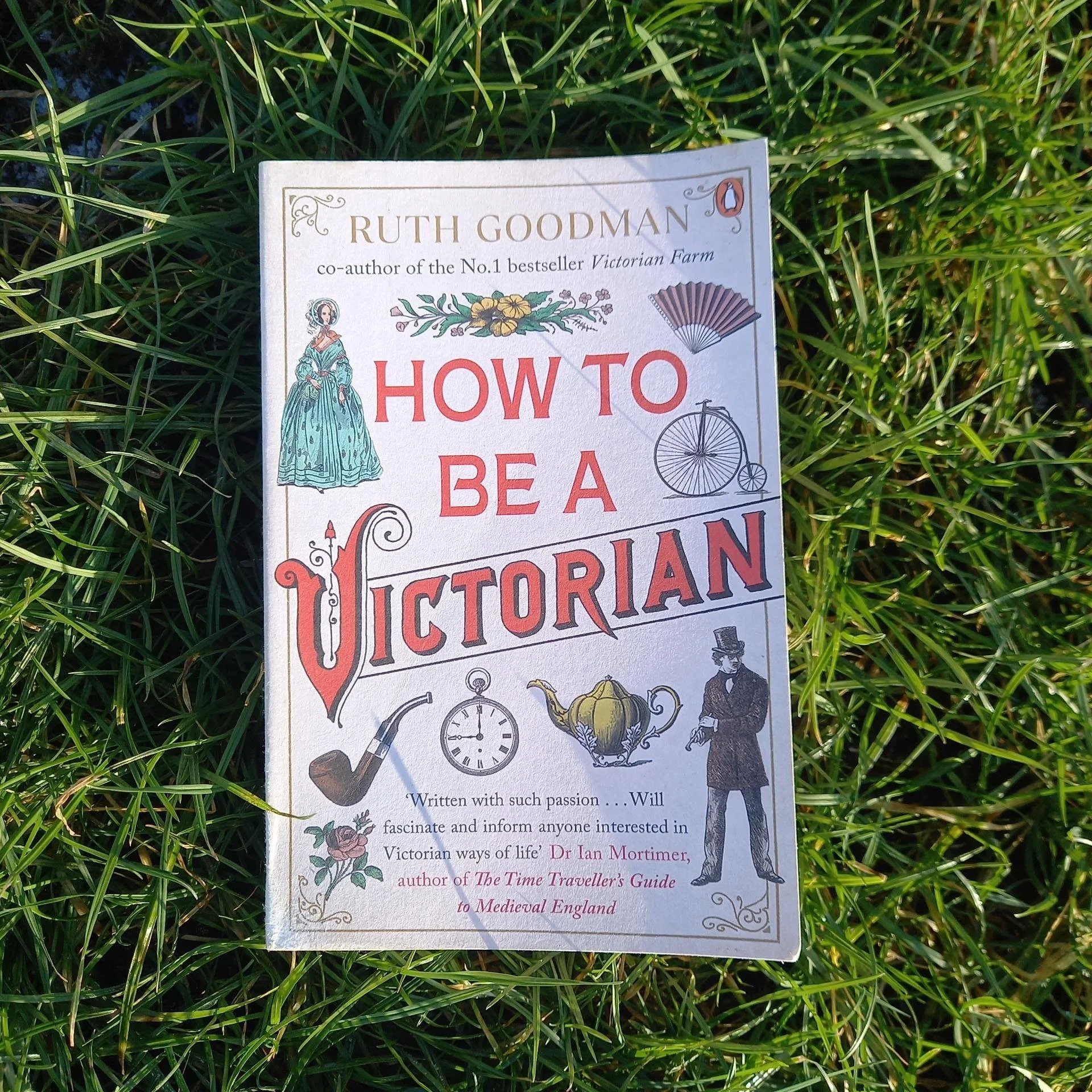
Cover for “How to be a Victorian”, by Ruth Goodman (Image: Natalie Duckworth)
2. How to Be a Victorian, Ruth Goodman
Natalie, you might be thinking, why on Earth is a non-fiction book about life in the Victorian era placed second on your books of the year? I am so glad you asked!!! How to be a Victorian was a research read for my story, ‘Consumption’, which is set in 1855 England. I wanted a good book to experience the landscape of a life I couldn’t easily slip back into, and this book did NOT disappoint. I have read a few non-fiction books this year to widen my knowledge, but this was not only incredibly informative, but an enjoyable “day in the life” story of the working class Victorian. There is so much fiction set in this time and place. The fascination is large. Yet, this book doesn’t just entertain and explain, it is truly a window to the past. How to be a Victorian shows the harrowing life poorer Victorians faced, introducing us to the heartbreaking upraising of children—young boys crawling through pitch-black tunnels dragging coal carts from the mines to assist their hardworking fathers, families huddling for warmth with windows cracked open in the middle of winter to circulate the air of their one-room homes, and how their desperation for food the blinding drive of their life. Less than 200 years ago, this book shakes readers awake in the morning, dresses us in appropriate clothes and sends us to work with nothing more than breadcrumbs in our bellies.
‘With no central heating and no clutter below waist level, many of the problems of Victorian clothes in a modern locale simply fall away. If I stick to Victorian activities, such as hauling buckets of clothes or singling a field of turnips, I find myself being glad of the many layers of clothing and grateful for the back support the corset provides.’
Goodman explored Victorian life herself, living in as similar conditions to our Victorian ancestors as possible, and she truly understood how the Victorians experienced their evolving world. She wrote so well and concisely, I can still picture those grimy London streets and almost feel how those women felt, wearing their dozen layers of thick, stiff wool. Maybe you have no interest in the Victorian world, or reside somewhere in which comparing current British streets to the ones described in this book proves difficult, but learning about the conditions of life from under 200 years ago is eye opening to the luxuries of our modern lifestyles, and helped me to appreciate how our lives have improved so fast in such a relatively short time.
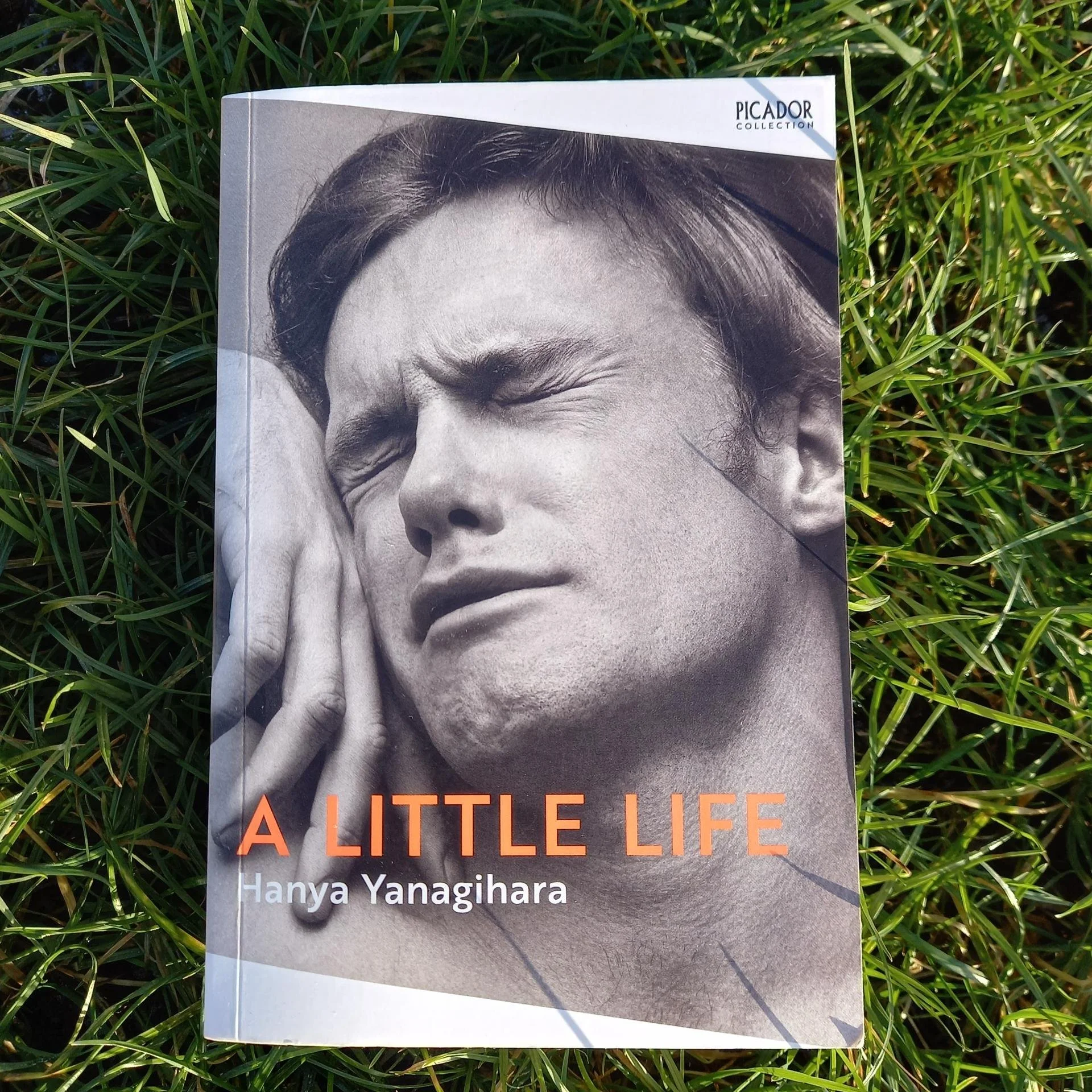
Cover for “A Little Life”, by Hanya Yanagihara (Image: Natalie Duckworth)
1. A Little Life, Hanya Yanagihara
Despite the title, A Little Life is not quite so little. It is 720 pages of big events and crushing pain. With other books and other authors, I would cross my arms, shake my head and tut. Stories about graphic trauma and heart breaking tragedies is not something I take lightly, but Yanagihara created wonderful characters who I fell in love with fast, before I knew the depth of their pain, and could only gawk at the pages professing their heart breaking problems. Jude St. Francis and Willem Ragnarsson had my love within the first few pages of knowing them, and I only grew to adore them more and more as I read. Yanagihara’s writing seeps with love from one character to another, even if that love is fermenting with the tang of mental health complications and the harrowing horrors of life. I felt how deeply these characters loved each other, and I genuinely felt like I stood among their group as a silent friend, breathless as I waited for them to receive the love and warmth these characters deserved. I slipped into their skin, felt the pulse of their open wounds and heavy hearts, heard their dark thoughts so loudly, I could spin from character to character and understand one viewpoint one second to their vast opposite the next. I never experienced grief for someone who never lived, but after 720 pages, letting the covers close without a bookmark pressing pause on their lives, my heart was hollow. On that day, I clawed to my computer and watched countless other reaction videos to people finishing the book, just so I didn’t feel alone, that I wasn’t the only one mourning these characters who were my friends for the past month or so. Even now, I can picture the characters and some of their scenes with clarity so strong, I might mistake myself in later years for being there, as though it were a memory. Yanagihara’s descriptions are flawless, artistic and as permanent in my brain as a tattoo on my skin. Months after reading A Little Life, if I think of the characters and the events that I witnessed, I feel the scabbing on my heart tear free, and the slow-healing wound this book left in me starts to bleed. This book is triggering and deeply affecting, but so beautiful within the same breath. How can I rank this book any lower than top place?
‘They were talking, but Jude’s eyes were closed, and Willem knew—from the constant, hummingbird-flutter of his eyelids and the way his hand was curled into a fist so tight that Willem could see the ocean-green threads of his veins jumping under the back of his hand—the he was in pain.’
From A Little Life, I learnt a lot, not just about writing, but about life and how I view it. Without getting off track and reaching through your screen to hold your hand in a reminder of the love people have for you, A Little Life shows masterful control of writing. The fact that Yanagihara can write solely about the day to day lives of her characters and keep readers hooked and lured for 720 pages is extraordinary. This story is a bated breath, waiting for redemption, waiting for the worst. If you identify with the characters, you will learn the hard lesson: you must love yourself. You must believe those who say they love you. Let yourself heal and get better, because we only have a little life.
2025 has been a great year for reading. It is surprising to see so many books on this list that, a few years prior, I wouldn’t have dreamed of reading. But, as a lot of writing guides and my university lecturers would say frequently: to be a better writer, you need to read widely. This year, and this tower of books, has been physical proof of the value of reading outside of my interests. A Little Life and How to be a Victorian are rated 1st and 2nd on my 2025 books, despite me loving fantasy and horror, despite once hating non-fiction, despite finding character driven, emotional, literary fiction a pain to read. Both have changed me and I will keep them on my bookshelf with pride. Having read a lot of horror—there was a period where I read Stephen King back to back and could predict every upcoming plot point—stepping away and experiencing another type of story helps expand the possibilities of writing.
A common theme I noticed from my top books is reality. All these books have a level of relatability, of grounded sense. It is fun to experience new worlds, new magic, new adventures, but I find it easier to get engrossed in a book when it reflects my own life, can see myself in the white gaps between sentences. Learning about the past with How to be a Victorian aided me in tying my story down to the ground and the incredible, harrowing lives our ancestors once lived. A Little Life and Haunted both encapsulate the horror of real life, presenting the worst of the everyday, that, even when holding a book in my hands which I can close in the same way I can close my eyes to cower away from a scary movie, they jostled my soul within my body, made me realise how fragile I am, how bad events can, and do, happen to anyone.
Jude St. Francis, Piranesi, the various, morally grey characters in Haunted—they all felt real, and for that, I loved (or, for the latter, pitied) them. It is these stories that made me gape in awe at writers who can create a living, breathing character and share them with the world. Just like these authors, I want to not only write my own characters to entertain, but to bring them to our world, to let them live, for them to experience the love or hate they deserve.
I am so excited to keep reading.
Book Quotes:
Reading Like a Writer, Francine Prose; ed. 2006 - pg. 22
Haunted, Chuck Palahniuk; ed. 2006 - pg. 353
Piranesi, Susanna Clarke; ed. 2021 - pg. 4-5.
How to be a Victorian, Ruth Goodman; ed. 2013 - pg. 95.
A Little Life, Hanya Yanagihara; ed. 2022 - pg. 17.