Reading Highlights of January 2026
The year has begun and, to my own surprise and delight, I have sunken into the world of books. Last year, according to my StoryGraph statistics, I read 2-4 books a month. This month, I hit my all time record: 7 books within 31 days! Of course, I started with shorter books to get the ball rolling, but this month felt great!
There is a secret about reading: you can’t read unless you’re ready. At times I found my mind stumbling over sentences at a time, not absorbing them, and I had to stop and ask myself why. Was it the writing? Was it a sound distracting me? Or was it hunger, thirst, the need to pee? There were multiple occasions where, mid-sentence, completely unrelated, I would become alerted to the dirty dishes on the counter. I found myself unable to stop thinking about it, as though the words ‘WASH UP’ were written on the lenses of my glasses, obscuring my reading. I can’t read when my body or mind needs something, and it always felt so great returning to my book with the fresh air of completion.
If you find yourself struggling to read, it is worth the time to locate what is stopping you. It is your mind’s own way of alerting you to what’s worrying you the most. I still have times when the dirty dishes were a tower beside the sink, yet I read as smoothly as a running stream. My mind wants rest.
My point is, this month of reading has brought me peace and has taught me of reading’s power to push you out of fantasy worlds to look after the real one. I am excited to revisit these books: let’s dig in!
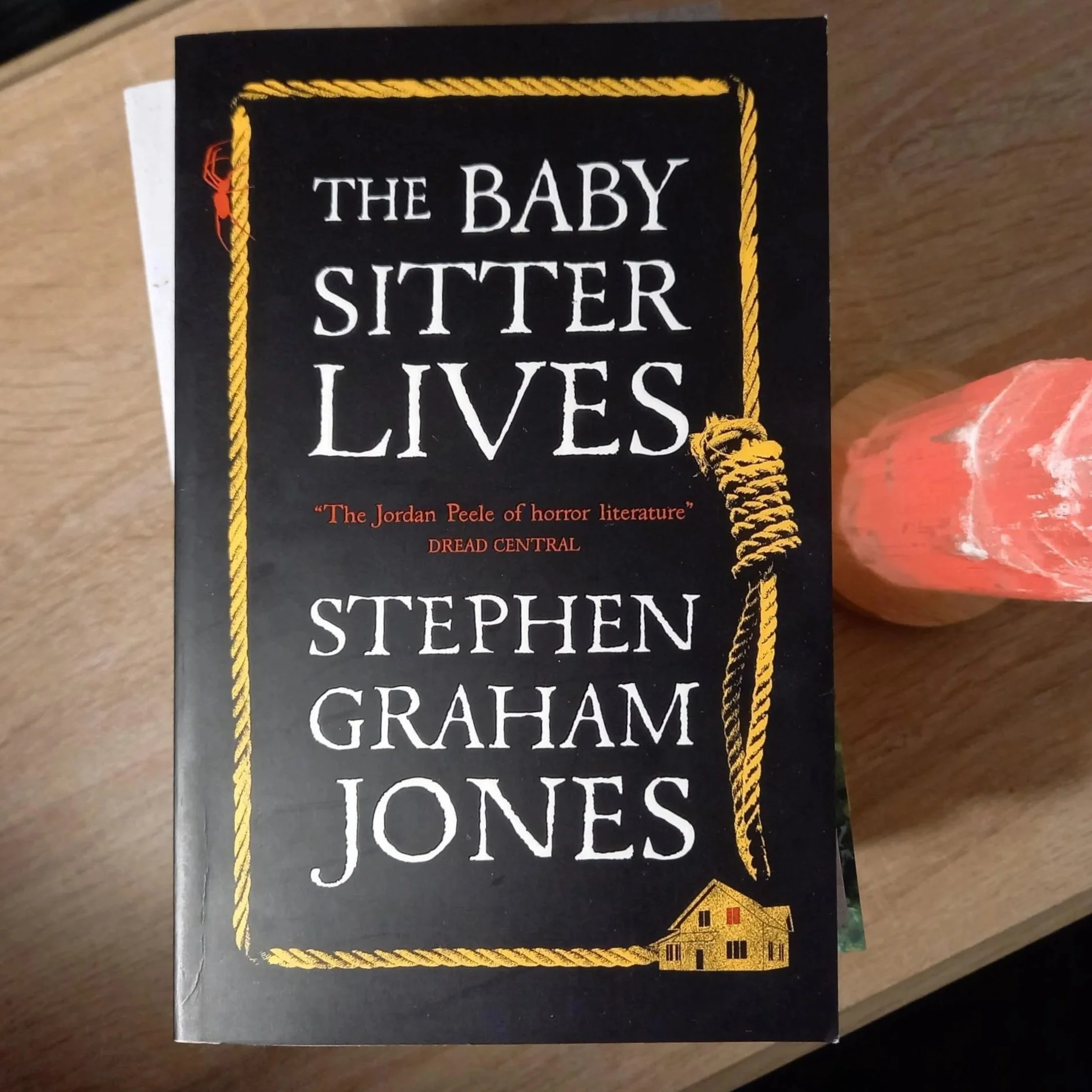
The Babysitter Lives, Stephen Graham Jones
The Babysitter Lives, Stephen Graham Jones
It is your classic slasher horror—a baby sitter is set up to spend the evening looking after children while the parents are away on a date, and naturally, like dominoes, things start to descend into madness. The kids aren’t normal kids, and the shadows are longer and darker than usual. The history of the house is writhing, twisting across the house as a black, oily snake, awaiting the chance to slip free. This baby sitter has to learn the truth of what happened, as it happens anew. Expect blood and darkness, and expect reality to bend and show the whites of exposed bones.
Jones has been on my radar for quite a while, yet the two books I am most keen to read, The Only Good Indians and Buffalo Hunter Hunter haven’t been available in my local bookshop. Though I am not a fan of “slasher” style stories, I still wanted to experience his writing. The Babysitter Lives is one of his less imposing books, short and simple. In the past, I have dabbled with modern horror books, especially slashers, and despite this knife wielding sub-genre, I have come out each time with my horror-loving itch merely tickled by a foam dagger. Unfortunately, The Babysitter Lives hasn’t dodged this reaction. I have learnt that slasher stories aren’t for me. Yet, I have also discovered more.
In the past, these “slasher” stories I read had mirroring qualities to The Babysitter Lives which didn’t have that satisfying click as it presses against the grooves of my heart. Clown in a Cornfield by Adam Cesare, The Final Girl Support Group by Grady Hendrix, and slightly to the side, The Hollow Places by T. S. Kingfisher, had a humour to them which, in my opinion, drew me away from the tension. As I was tensing up for a big punch of action, a joke softened the blow. When jokes are available, to me, is the situation that scary? Not attaching deeply to the characters or the books, the intricate magic of the book tripped me up fully. I found myself flicking back pages, trying to right myself, only to return as confused as before. The effect and rules of the magic is a unique one, yet unable to fully invest myself, only to get tangled in the narrative. I have seen many positive reviews for this book and am happy others managed to grasp the world of The Babysitter Lives, but I still feel cautious for Jones’s other works.
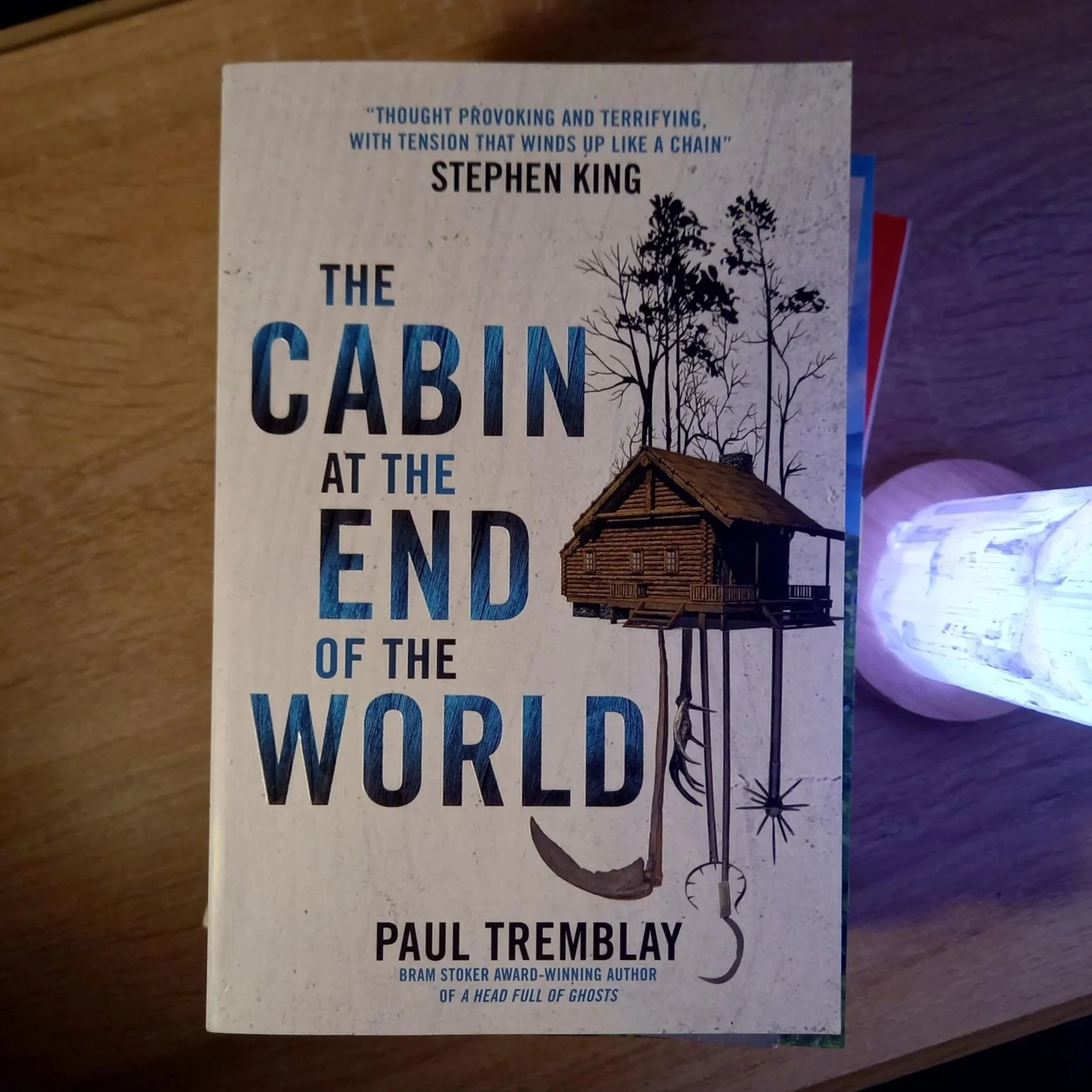
The Cabin at the End of the World, Paul Tremblay
2. The Cabin at the End of the World, Paul Tremblay
As a loving family of three spend their summer in an isolated, cosy lake cabin, the only way to destroy their peace is by the arrival of four strangers claiming to know about the up-coming ending of the world. Wielding horrific weapons and clawing their way into their home away from home, the family is presented with a life-altering ultimatum: sacrifice one of their family members, or bring about the end of the world and live beyond the destruction of humanity. A gory, heart-breaking and reality testing story about how far love and belief can take you.
The Cabin at the End of the World was adapted into a movie—Knock at the Cabin—and I am hesitant to watch it. I am sure Dave Batista and Rupert Grint acted Oscar worthy, but in my head, I can’t imagine it reaching the same heights found in such a perfect book. From the first few pages, I fell in love with the characters, and not only do I want to spare myself from reliving such a heart-breaking disaster happening to them once again, but I can’t imagine a retelling of this story being as beautiful without the writing and narration that Tremblay imbues in this book. As plot points and twists occur, I found myself as stuck as the characters, uncertain what is real and what to do next. Every action they performed I found terrifying, but ultimately understood their reasoning. The ending was one I could never predict, but one that was so much better than I could ever have hoped for in such a dark story.
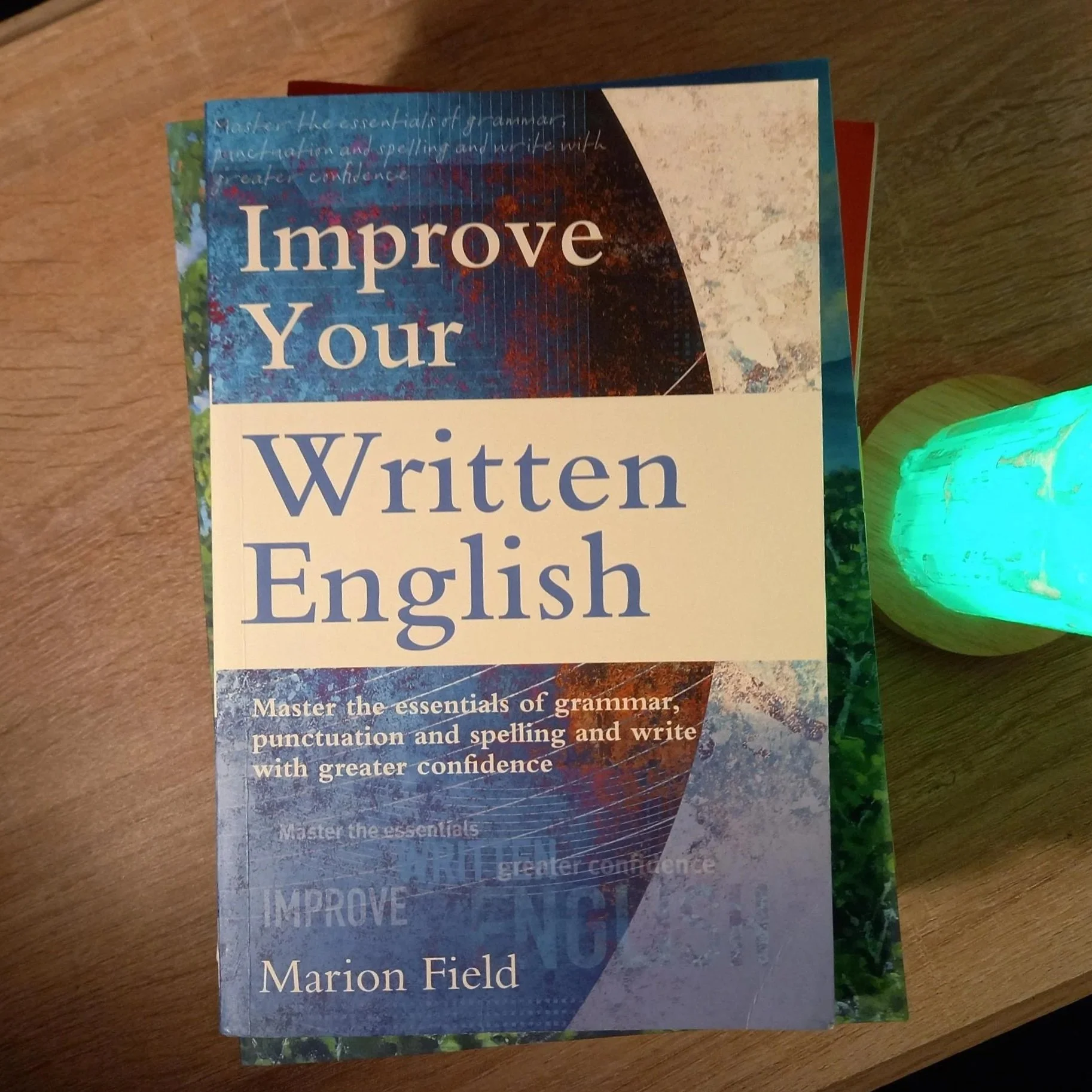
Improve Your Written English, Marion Field
3. Improve Your Written English, Marion Field
A guide to English grammar, spelling and rules, Improve Your Written English helps improve and reteach British English to enhance all types of writing, from letters, to short stories and essays, to resumes and forms.
My dyslexia has muddled up English grammar rules in my head. A lot of my early feedback from my creative writing workshops was: “this is technically written right, but it sounds strange.” It took me twenty years for people to catch on to my dyslexia, because I could spell decently and had a somewhat solid grasp on English grammar, yet I always produced stories that slightly leaned to the left. Improve Your Written English was a refresh of the rules. It ironed out certain areas I was wobbly with, and learned new pieces of wisdom as well: did you know that there should always be an exclamation mark if the word “exclaimed” is used as a dialog tag? Or, that old English grammar states that prepositions should always be followed by the pronoun it effects—to whom are you talking? instead of the modern who are you talking to?
As insightful as a lot of the wisdom was, I still found myself struggling through the book at certain topics. The present perfect and past perfect section, which I reread several times, still felt as though I gripped the knowledge like a handful of sand. A few points were swept over quickly, with explanations too brisk. At times I skimmed back to see if I missed a previous lesson that supported the current one. Is this a hint that my dyslexia requires me to look at English grammar from a different angle?
Overall, a rewarding book, yet it feels as though it needs to be paired with another book to really fill the cup of knowledge to the top.
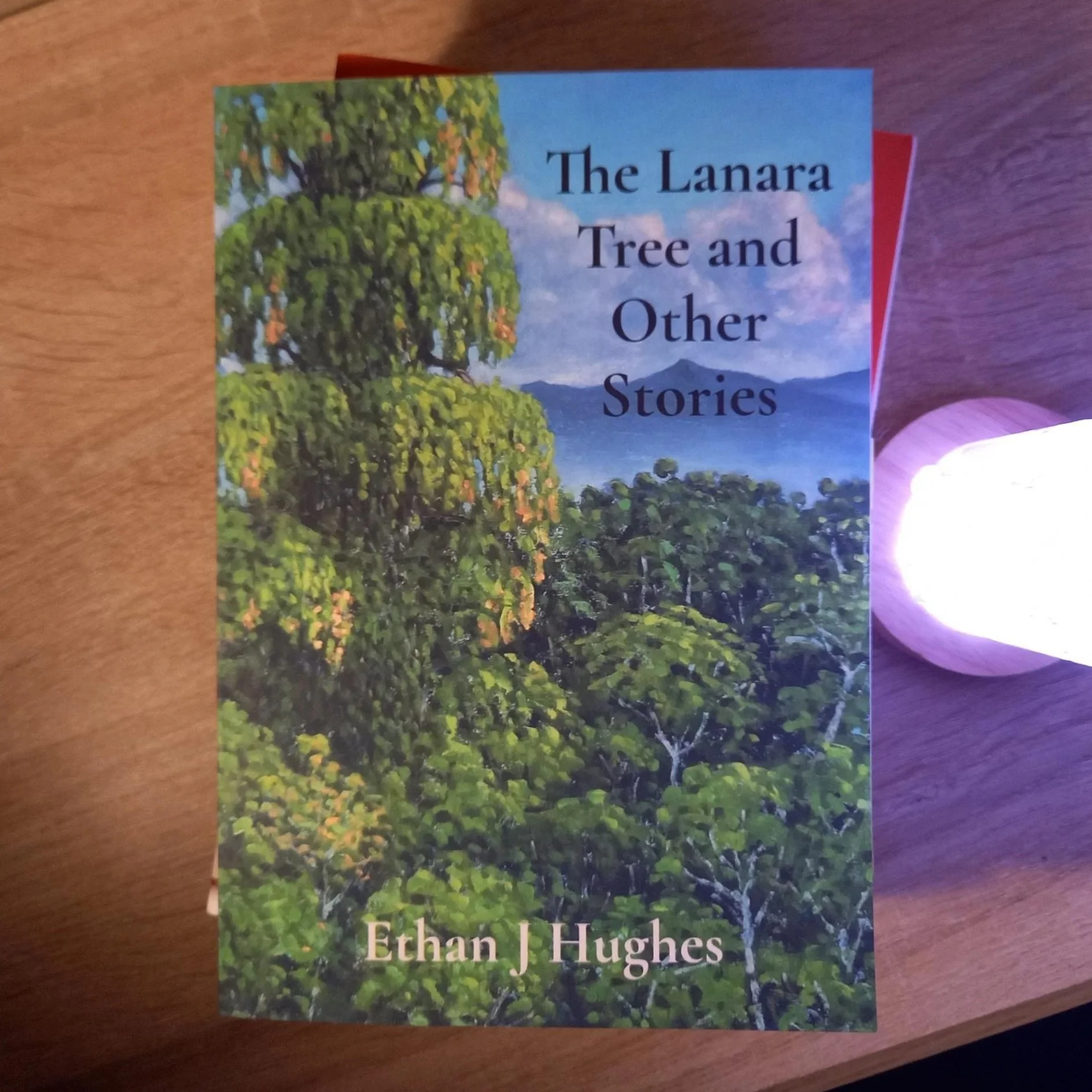
The Lanara Tree and Other Stories, Ethan J Hughes
4. The Lanara Tree and Other Stories, Ethan J Hughes
A collection of short stories, crossing the sci-fi world with cowboys, modern day and fantasy, these snippets of different lives show people as they experience the worst of days to unlikely heroes growing into something better.
A self-published debut selection of short stories, I was really impressed with Hughes’ writing and stories. I am not usually a fan of cowboy stories or sci-fi, yet I found those short stories were the ones that captured me the most. The number of times I presumed I knew where a story was headed, only for a trapdoor twist to open beneath me, was breath-taking. I cruised through these stories with ease, eager to see what twists await on the next page. Usually, I tend to avoid short story books, as I prefer to sink my teeth into characters and plot for a longer time, yet Hughes created stories and characters I did not and have not forgotten. Another highlight: I loved the dialogue. Whenever a character spoke, their personality shone through. I highly recommend giving this book a read, and I am excited to see his work in longer form in the future!
Check out Hughes’s work at his website, www.ethanjhughes.co.uk, where you can buy his self-published short story collection!
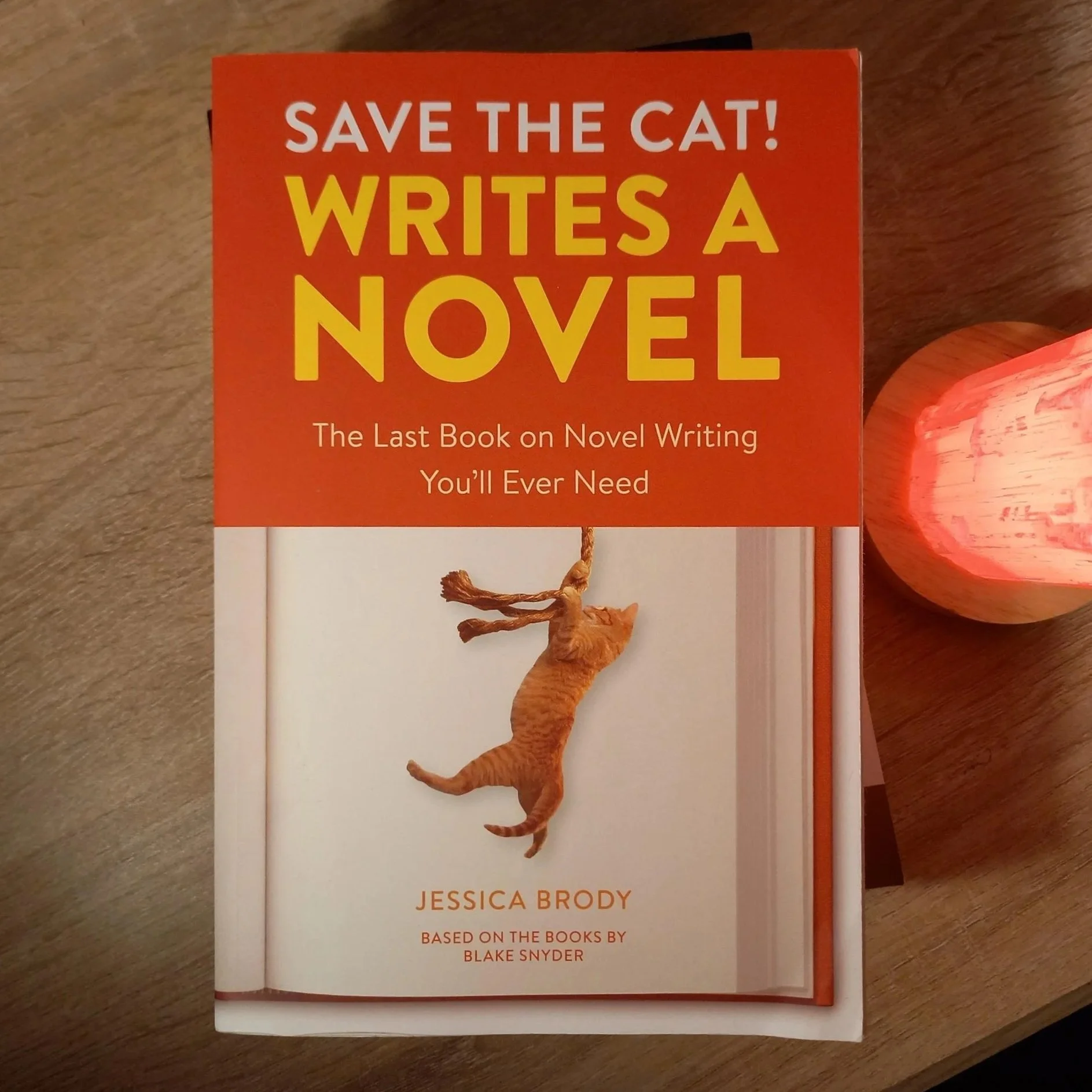
Save the Cat! Write a Novel, Jessica Brody
5. Save the Cat! Writes a Novel, Jessica Brody
Based on a screenwriting guide of the same name, Brody’s Save the Cat! book examines the important elements of stories and explains why they work. Who is your main character, and what do they need to be your hero? What type of journey will they be pushed onto, and how will they learn their ultimate lesson? Arriving from any destination—before bracing the first chapter, stuck in the muddle of the middle of a novel, or revisiting and fine tuning the first draft—Save the Cat! shows and tells how successful stories are written and what impactful devices they have to strengthen the book as a whole.
Save the Cat? More like Save the Nat!—this book Opened. My. Eyes. I bought this book in the interest of exploring books on books, curious the most by this one. I read it while writing the middle of my current WIP, ‘Consumption’, as I was struggling with finding the correct path to follow. Save the Cat! ironed out all the flaws. Problems that were impacting my story were highlighted in a heavenly beam. My first draft consists of me entering a room, or a scene, looking around, before closing that door and trying the next.
Consumption is my first novel, my first experience into writing stories to completion, and while I had a good running start, I am in past where I have ever explored before. Discovering the true lesson my hero must learn helped direct the plot and her journey, as well as the obstacles in her way. Understanding the beat sheet and why certain elements, such as the ‘catalyst’ being the point of no return to the previous world, and the ‘whiff of death’ raising the stakes to the all-time high, helped me grasp what my hero needs to face before learning her lesson, and push her into action. She is on the path of acceptance, both for her own strengths and weaknesses, as well as the state of the world which twists with aggravation of vampires and werewolves and sickly humans.
Nailing this path down helped me align all these scenes, all her actions and emotions, and after numerous attempts of plotting from ‘Chapter One’ to writing the big ‘THE END’, I managed to have a linear novel outline with stepping stone goals to carry me across to the last line. If you are writing a novel, THIS is the book to read. On the front cover, it claims: “the last book on novel writing you’ll ever need”, and though this is quite the claim, it isn’t one I can, or will, dispute.
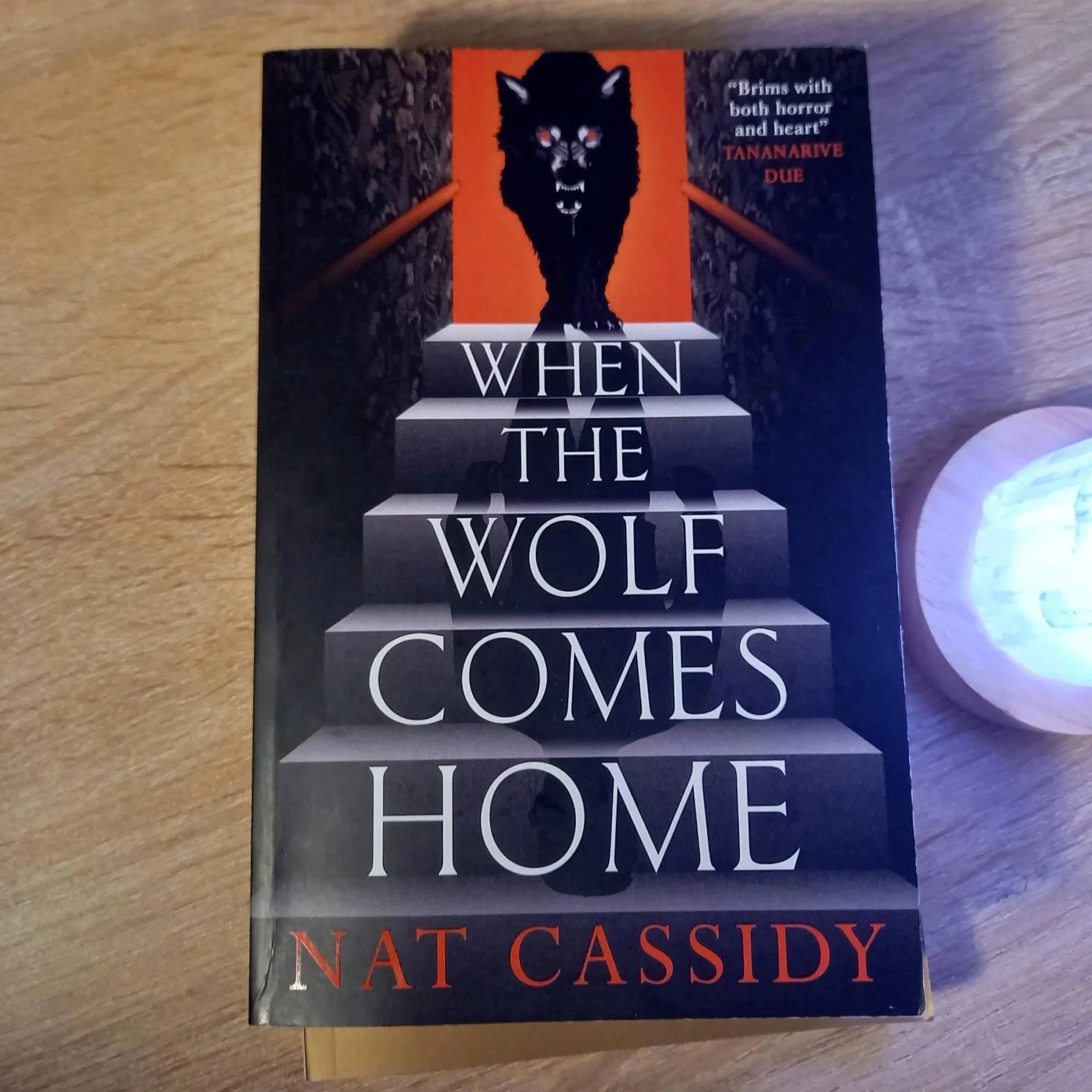
When the Wolf Comes Home, Nat Cassidy
6. When the Wolf Comes Home, Nat Cassidy
A sheltered little boy is scared of his screaming father and runs away. A struggling actress returns home after an awful shift to find him, small and fearful, in her bushes. As his violent father tears towards them, murderous and unstoppable, Jess must learn how to protect a little boy who is deadly afraid of everything without letting slip her own fears.
This novel did not stop impressing me. It was a rubber ball pinging off the top step, drawing my interest page after page, and deep into the story, when I thought I figured out what was happening, new realisations made me squawk in glee. I loved the characters and after seeing all the shit thrown their way, I ached for them to escape. A struggling young adult sacrificing her own health and family to look after a wild young boy who is being chased by a dangerous father? How could I not care deeply for their wellbeing? The descriptions were digustingly perfect, the plot maddening and always growing, always looming, and the magic that blankets the story is one that I figured out ahead of time but still hooted at each new reveal. I love main characters who are smart, and I love a writer who cares about each line, each thought, each dialogue.
I had my own fears when starting this novel. The “humour” found in modern horror books tends to always unreel the line, yet in When the Wolf Comes Home, I was proven wrong; I took the bait. Humour is used throughout the novel, yet it was done to highlight the main character’s spinning thoughts and her avoidance of the situation. The humour backs off when needed and returns when we need a breather. In this story, I found each “joke” both a fun character quality, as well as a gut punch when aware of Jess’s dismal situation.
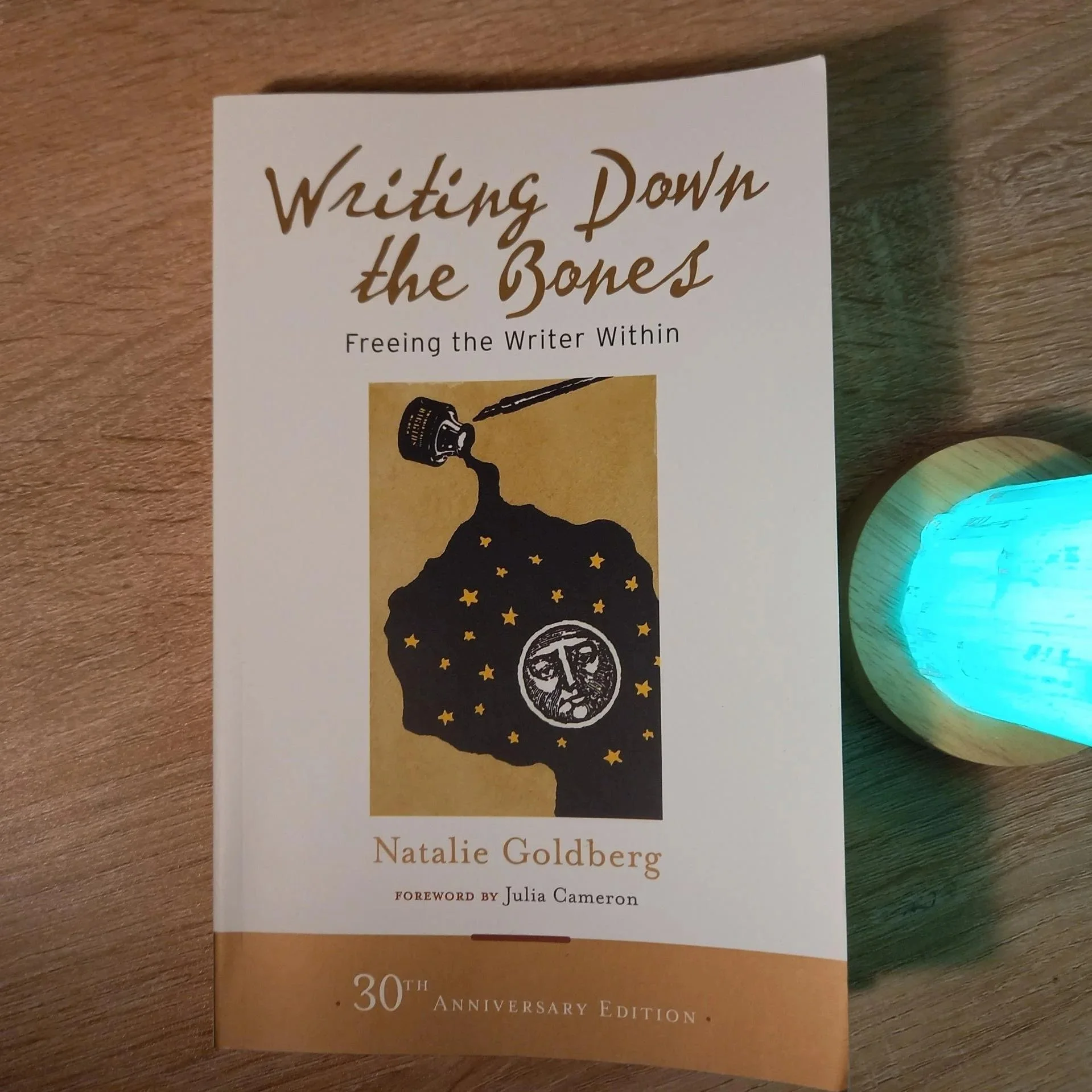
Writing Down the Bones, Natalie Goldberg
7. Writing Down the Bones, Natalie Goldberg
Part writing, part life guide, Writing Down the Bones is a short and sweet reflection on how to create a positive relationship with writing, and to learn mindsets and attitudes to support creative activities.
Written by a creative writing lecturer and published author, Writing Down the Bones is a writing guide focusing on both life and writing as a single topic. This memoir-styled book is poetic over factual, as it veers to the unspoken side of any creative guide book: tapping into one’s emotions. If Save the Cat! is the sun, Writing Down the Bones is the moon. Following the insights within this book, I won’t see the improvement in my writing, but I believe I will feel it. Goldberg creates the space to do badly, to experiment, and most importantly, to love everything and anything. She doesn’t give strict goals, but rather, forgives. Instead of saying “stick to a daily writing routine”, she opens a space to write flexibly. If you yearn to write, simply write. If you skip a day, let yourself rest.
Writing ‘Consumption’, I realised how my life is mirrored in its pages. I felt happy and energetic at the beginning: writing went smoothly. As the tension grew and my hero started to struggle, I noticed how the gaps between my writing sessions stretched. I had struggles in my own life. At the pinnacle of the action, my character beaten down again and again, unsure how to continue, I left her alone for two months while trying to get myself on solid footing. Coincidence or not, it was a chilling realisation. My story, while still a mere file on my USB, felt solid, real. When realising the connection between my life and my character’s, I remember putting Writing Down the Bones on my lap and glancing at my computer. It was as though I could hear the painful, heaving breath my main character made from across the room.
One of the most beautiful writing inspirations was to write badly. Use the wrong words and mess up the grammar. Earlier this month I was learning (and struggling) with the basic rules of the English language, yet Goldberg’s nudge to write badly, to learn what my heart really says, was like taking a creative breath mint. I tried it. I wrote badly and let my heart bleed down my arm and stain the page, and with weird wording, it did feel more alive. Alongside this, she gave example poems from mentally disabled writers, who wrote unaware of grammar rules, and these poems hit me as more beautiful and meaningful than the poems I read at university. It was fresh and it was real—the emotions were as clear in their poems as pink ink to show love and blue to show sadness. For anyone wanting to escape the “professionalism” of writing and tap into their heart, this book teaches you how to love writing and how, in turn, it will support its writer.
These books are just the tip of my reading pile iceberg. A lot of horror novels are lined up, as well as Jane Austen, more writing guides, and a few classics such as The Secret History by Donna Tartt and Jane Eyre by Charlotte Brontë.
Comment below if you enjoyed any of these books, of if you have any reading recommendations for me to explore!